
How to Adapt Hospitality Design for Specific Cultures: 7 Examples
Uncover the secrets of designing spaces that resonate with cultural authenticity in hospitality. This article delves into innovative examples where expert insights have shaped hotels to mirror the unique essence of their locales. From incorporating local art to adapting layouts, discover how design intertwines with culture to create immersive experiences.
- Venice V Hotel: Capturing Beach Culture
- Adapting Luxury Design for Middle Eastern Norms
- Local Art Enhances Cultural Authenticity
- Layouts Reflect Traditional Social Structures
- Regional Architecture Roots Hotels in Place
- Room Designs Honor Cultural Sleeping Preferences
- Flexible Dining Spaces Embrace Cultural Practices
Venice V Hotel: Capturing Beach Culture
The Venice V Hotel (https://www.belldesigngroup.com/hospitality/venice-v-hotel) was designed with deep respect for the community, neighborhood, and rich history of Venice Beach. As a vibrant coastal town that welcomes over 2 million visitors each summer and holds global cultural influence, it was an awesome challenge to define Venice Beach in 36 rooms. Housed within a 1918 building, the design draws inspiration from the free-spirited Bohemian traveler, the dark and restless artist (think Jim Morrison and Basquiat), and the unapologetic Dogtown skater. The result is a hotel that doesn't just reflect Venice Beach - it makes you feel like you truly belong, even if only for a short stay.

Adapting Luxury Design for Middle Eastern Norms
I really think understanding cultural nuances is essential when designing hospitality spaces, especially in luxury (POSH) environments where guest expectations are deeply tied to regional traditions and preferences.
For example, while working on a high-end boutique hotel in the Middle East, we had to adapt the design to align with cultural norms around privacy and hospitality. Instead of an open-concept lobby and bar area, we incorporated discreet seating zones, private dining spaces, and separate wellness areas for men and women, ensuring guests felt comfortable while maintaining an ultra-luxurious ambiance. Additionally, the color palette and materials were inspired by local artistry, using intricate geometric patterns and high-end textiles like silk and marble sourced from the region.
This culturally adaptive approach not only enhanced guest satisfaction but also positioned the hotel as an authentic luxury experience rather than just another global brand. My advice? Always research local customs and integrate them seamlessly into the design to create a space that feels both luxurious and culturally intuitive.

Local Art Enhances Cultural Authenticity
Integrating local art and craftsmanship into decor is a powerful way to adapt hospitality design for specific cultures. By showcasing authentic artworks and handcrafted items from the region, hotels can create a unique and immersive experience for guests. This approach not only adds visual interest but also supports local artists and artisans, helping to preserve cultural heritage.
The use of traditional patterns, textiles, and sculptures can transform spaces into living galleries that tell the story of the local culture. Guests will feel a deeper connection to the destination and gain a richer understanding of its artistic traditions. Consider partnering with local art galleries or cultural institutions to curate a rotating collection of pieces that truly represent the essence of the area.
Layouts Reflect Traditional Social Structures
Designing spaces that reflect traditional social structures is an effective method for culturally sensitive hospitality design. This approach takes into account how different cultures interact and gather in communal areas. For instance, some cultures prioritize large, open spaces for extended family gatherings, while others value more intimate, secluded areas for private conversations.
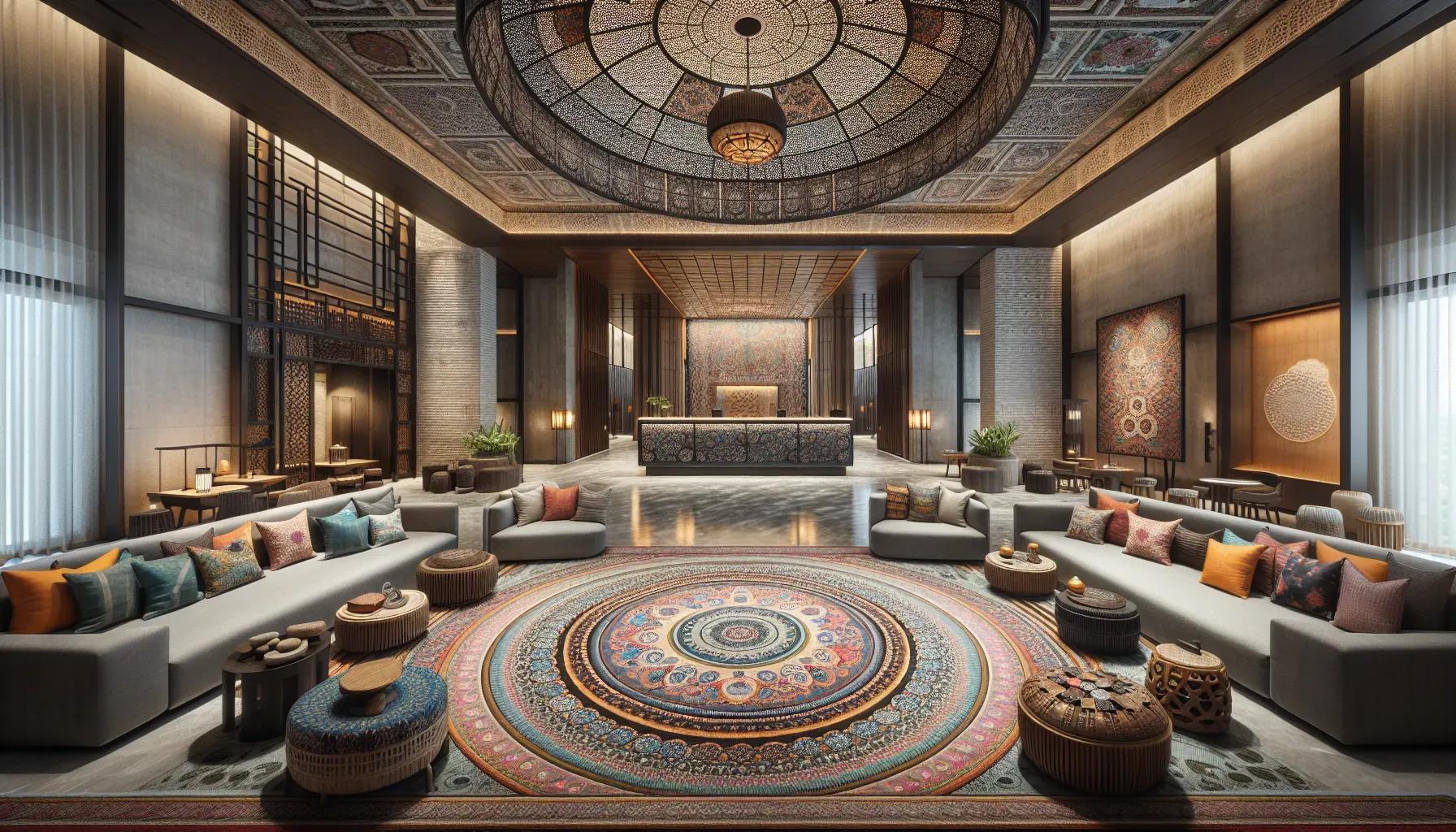
By understanding these preferences, designers can create layouts that feel natural and welcoming to guests from specific cultural backgrounds. This might involve incorporating circular seating arrangements in lobby areas to encourage group discussions or providing semi-private alcoves for more reserved interactions. Embrace the opportunity to learn about local customs and social norms to inform your design choices and create truly inclusive spaces.
Regional Architecture Roots Hotels in Place
Incorporating region-specific architectural elements and materials is a key strategy in adapting hospitality design to specific cultures. This approach goes beyond mere decoration, integrating structural and design elements that are characteristic of the local built environment. For example, using traditional building techniques or incorporating iconic architectural features can make a hotel feel authentically rooted in its location.
The choice of materials, such as local stone, wood, or textiles, can further enhance this connection to place. This not only creates a visually cohesive design but also demonstrates respect for local traditions and building practices. Explore the architectural history of the region and consider how modern interpretations of traditional elements can create a unique and culturally resonant space.
Room Designs Honor Cultural Sleeping Preferences
Adapting room layouts to cultural sleeping habits is a thoughtful way to ensure guest comfort in culturally specific hospitality design. Different cultures have varied preferences for sleeping arrangements, from the type of bedding used to the orientation of the bed within the room. Some cultures may prefer futons or floor mattresses, while others might have specific beliefs about bed placement in relation to windows or doors.
By researching and understanding these cultural nuances, hotels can create sleeping spaces that feel familiar and restful to their guests. This attention to detail can significantly enhance the guest experience and show a deep level of cultural respect. Consider offering a variety of room types that cater to different cultural sleeping preferences to accommodate a diverse range of guests.
Flexible Dining Spaces Embrace Cultural Practices
Modifying dining areas to accommodate cultural eating practices is an important aspect of culturally adaptive hospitality design. This involves more than just menu choices; it extends to the physical layout and equipment in dining spaces. For example, some cultures prefer communal dining experiences with shared dishes, requiring larger tables and lazy Susans. Others might need spaces for traditional floor seating or special equipment for particular cooking methods.
By designing flexible dining areas that can be easily reconfigured, hotels can cater to a wide range of cultural preferences. This adaptability ensures that all guests can enjoy meals in a setting that feels comfortable and familiar. Engage with local culinary experts to gain insights into traditional eating practices and how they can be authentically incorporated into the dining experience.